
Curtain length plays a vital role in deciding how a room feels. The windows may look awkward when the curtains are too long or too short. Should curtains touch the floor or not is also a common confusion among homeowners, and that’s why standard curtain length rules for windows must be defined.
The room type and interior decor also influence the choice of curtain length and width. All these rules are applied to all residential and commercial window types, such as homes, apartments, and villa windows. In this article, Omni Home will share everything about them and resolve all your confusions about different curtain length types. So, you achieve the perfect window treatment.
What Are Standard Curtain Length Rules For Windows?

The guidelines that explain the right length and width for your curtains, so they look aligned and create a balanced look called standard curtain length rules for windows. For example, the rule for the living room is measuring curtains from the rod to the floor, so they reach exactly the floor or stop 1 to 2 cm above it.
Similarly, privacy and comfort are your priorities when it comes to bedroom curtains. So, floor length is recommended to fully cover the window and to extend the floor.
Should Curtains Touch the Floor?

Curtains should or shouldn’t touch the floor, depending on the space type and your personalized aesthetic needs. Curtains are supposed to touch the floor in bedrooms and living rooms, which creates a clean and luxury visuals. However, floor-length curtains may not be suitable for places where consistent movement, moisture, and cleaning are major concerns.
When Curtains Should Not Touch the Floor?
Curtains should not touch the floor in areas such as kitchens, bathrooms, laundry areas, and other places where moisture and frequent foot traffic are involved. In such areas, curtains that touch the floor may collect dust and humidity and wear out faster. In such areas, leaving a small gap above the floor may be suitable and a practical choice.
Curtain Length Rules Based on Proper Measurement
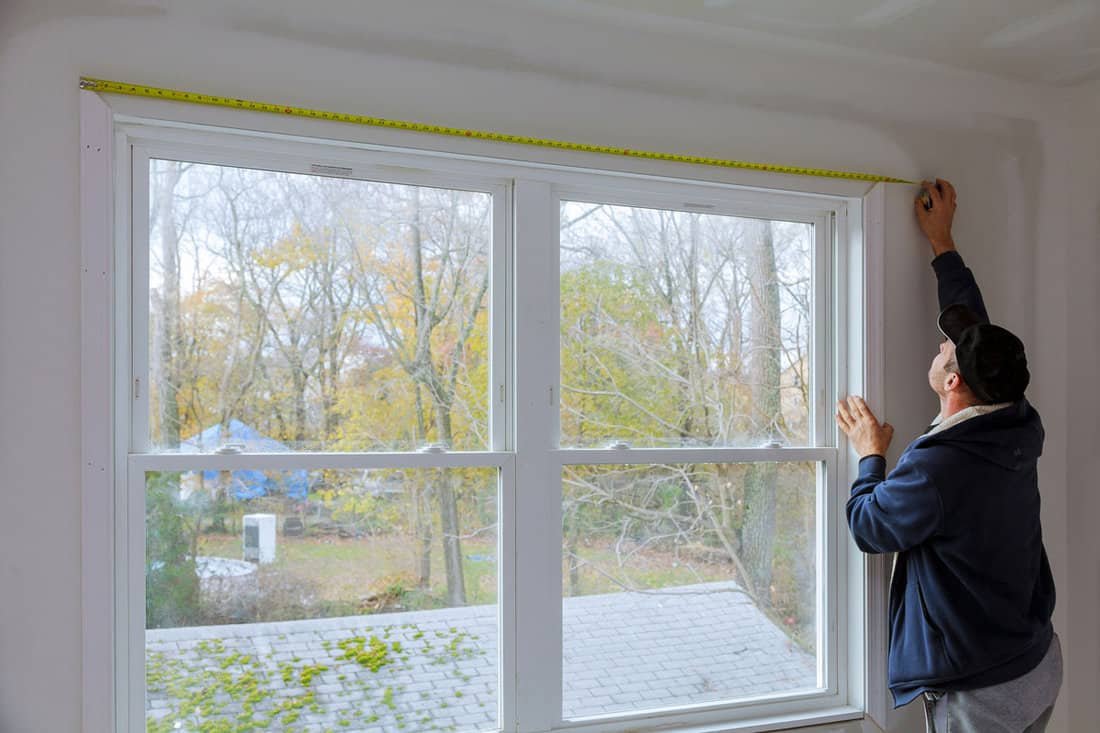
The primary rule is to always start measuring from the hardware, not the window frame. Your measuring point must be correct for a practical and luxurious window treatment. Here are a few primary curtain length rules based on proper measurement.
- For wall-mounted setups, measure from the bottom of the curtain rod
- For ceiling-mounted tracks, measure from the track itself
- Hardware should be installed before taking any measurements
How Far Should Curtains Be from the Floor?
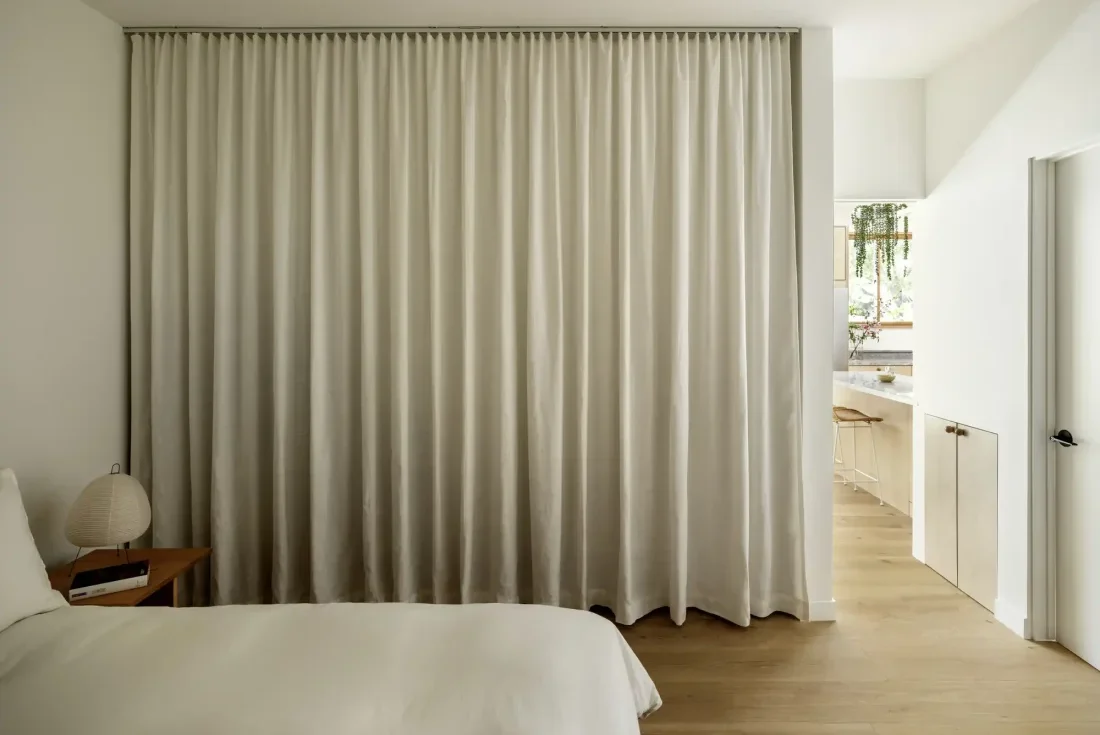
The decision about how far curtains should be from the floor depends on the space type. For office curtains, the length should be 2 to 3 cm above the floor for easy cleaning and maintenance. Similarly, curtains can be 0.5 to 1 cm above the floor in homes. For hotels and restaurants, gyms, and other spaces, the curtain length accuracy depends on cleaning needs.
Should Curtains Go to Floor or Bottom of Window?
This choice depends on how your room is used and the expected aesthetic results. In most places, such as luxury villas, the floor-length is prioritized to make windows look taller and create a dramatic appearance. Similarly, curtains are avoided to reach the bottom in workspaces and restaurants because it may break the clean look and cause difficulties in cleaning.
Curtain Length Rules by Room Type
Each room has its specific window treatment requirements, so the length of curtains should be versatile accordingly. The traffic level, incoming light amount, and privacy needs affect the curtain length decision. Here are the ideal curtain length rules by room type.
Living Rooms

The living room is the visual zone of a home, apartment, or villa, where families gather and talk. You must go for a window treatment that makes ceilings look higher and creates a sense of openness. That’s why floor-length is recommended for living room curtains. They create continuous vertical lines and make your space look more open.
Bedrooms

Bedrooms require curtains that completely cover windows to prevent light leakage and upscale comfort levels by offering maximum privacy. Installing curtains that reach the floor improves thermal insulation and reduces noise, and ultimately boosts sleep quality.
Offices & Commercial Spaces
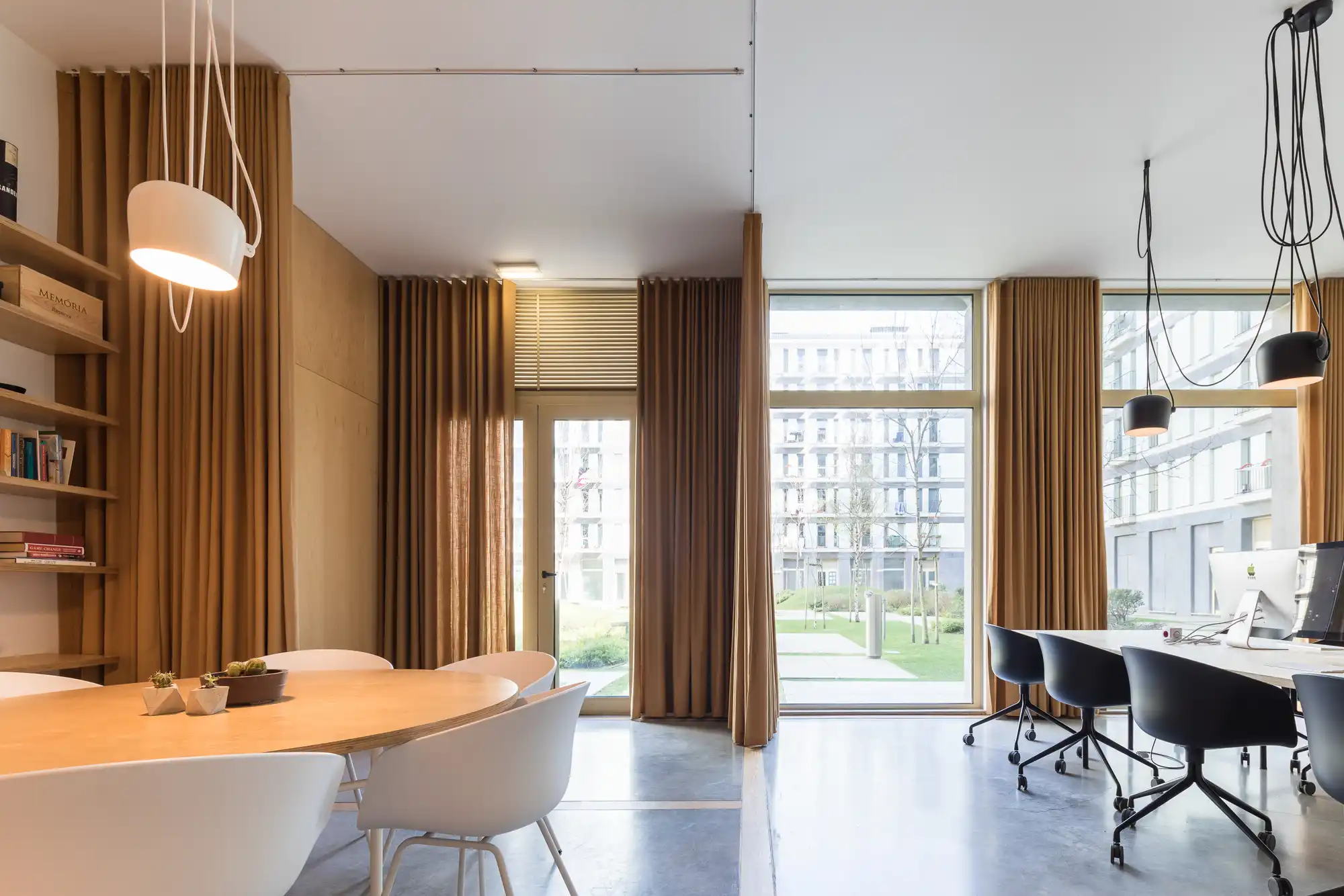
Curtains in offices and commercial spaces should be raised slightly above the floor, at least 2 to 3 cm. That’s because the short-length curtain traps less dirt than floor-length drapes and offers easy cleaning. Fabric that touches the floor indeed wears out faster, and the high foot traffic in commercial spaces becomes the reason behind the dust flow in the air.
The Popular Curtain Lengths Of 2026
Here are the most popular lengths for curtains that are recommended by interior designers. These curtains are suitable for all interior decor types, including classical, modern, minimalist, and industrial themes.
Floating Length Curtains
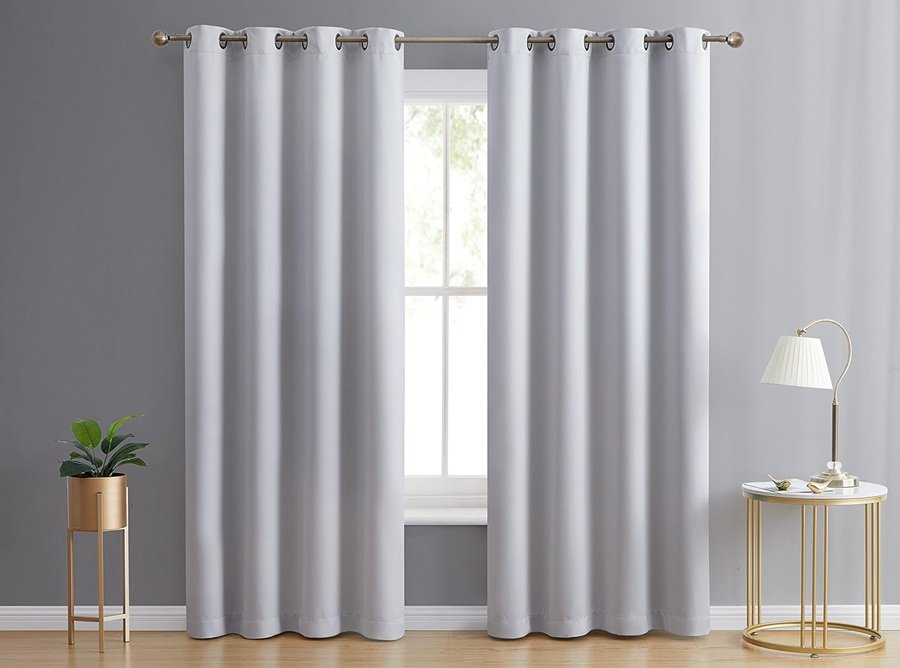
They are long and hang slightly above the floor to leave a visible gap. They create a luxurious and dramatic effect. As they create an illusion of taller windows, they are widely adopted for bedrooms and living rooms.
Here’s how to measure for floating length curtains:
- Record measurement from the curtain rod to the floor
- Subtract 1 cm or 0.5 cm from the total length
- Multiple fullness with the rod length for the width
Puddle Length Curtains
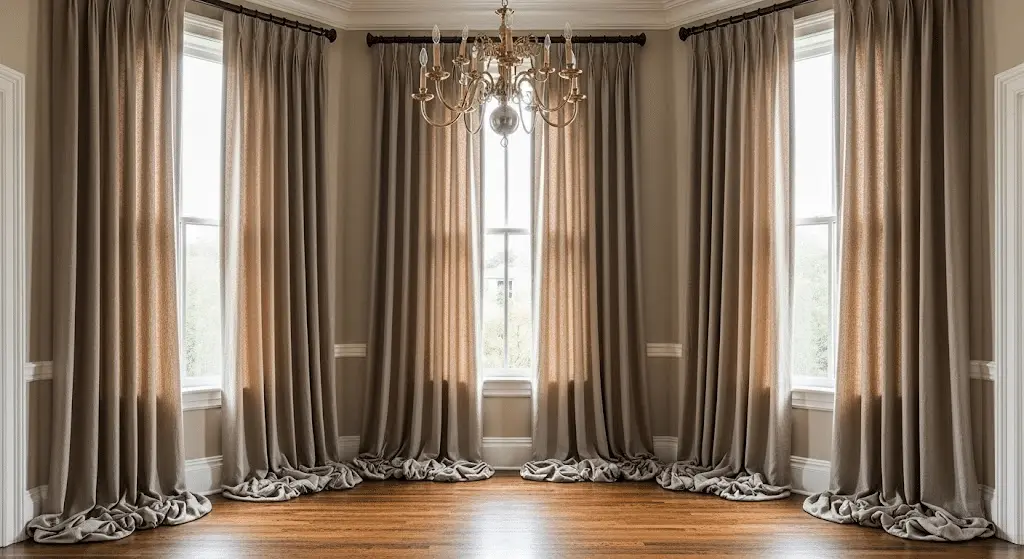
This curtain length allows the fabric to “puddle” on the ground and creates a luxurious look. The degrees of puddle may be between 1 and 3 cm, or even 3 and 6 cm. It depends on your personalized styling needs.
You can easily measure the length of these curtains by following these steps:
- Measure the rod to the floor length using a measuring tape
- Add 1 to 3 inches for a minimal puddle
- Add 3 to 6 inches for maximum puddle
Break Length Curtains
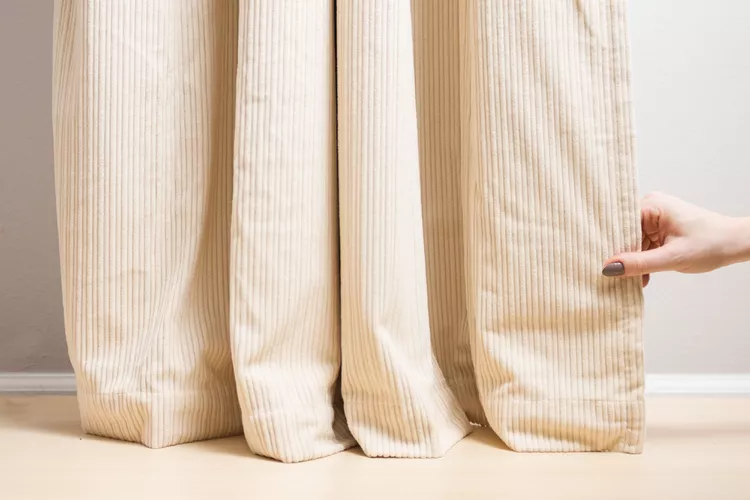
The break length curtains are also known as “floor kiss curtains.” They lightly touch the floor and offer a structured look. They also make walls appear larger than their perceived size.
See the simple steps to measure for these curtain lengths:
- Place the curtain pole at least five inches above the window frame
- Record the measurement from the pole to the ground
- Subtract 0.25 to 0.5 inches from the total measurement
Curtain Length Rules For Popular Window Types
Beyond the room type, the ideal curtain length also depends on the window type. Keeping in view, we shared some ideal curtain length rules based on the window type for your navigation.
Floor-to-Ceiling Windows

The floor-to-ceiling windows are taller, so the curtains must reach the floor to match the height of the window. The lengthy curtains do not break the clean vertical lines. In contrast, the short curtains break the overall view.
Pay attention – The ceiling-mounted tracks are preferred for such windows because they help the curtains to fall straight from the top.
Sliding Doors & Balcony Glass
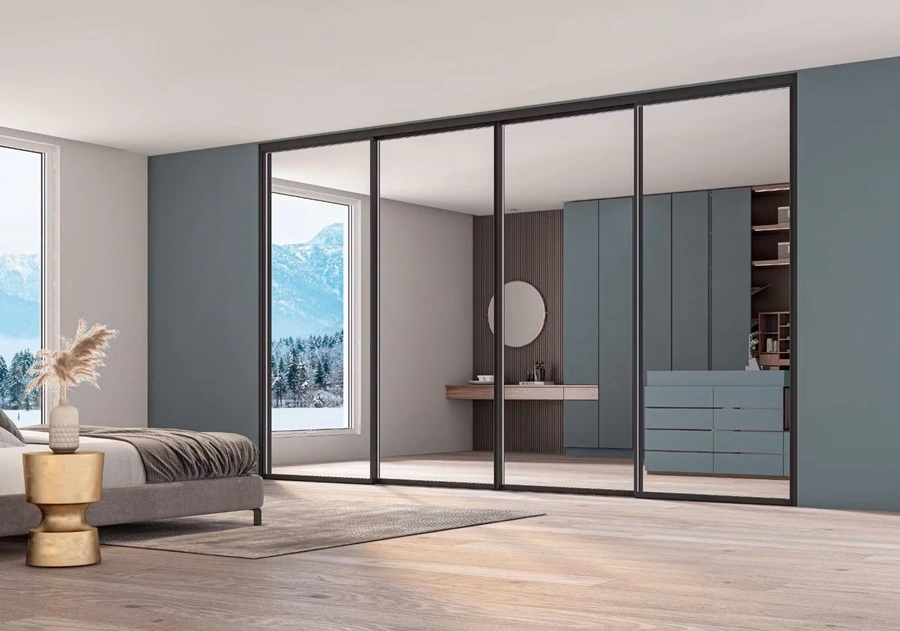
The balcony glass and sliding doors feature tall and wide openings. That’s why installing short-length curtains may look imbalanced. You can install full-length motorized curtains to cover the complete area. The motors will help you handle the weight of the drape evenly, and the floor-length will cover the width and length of the windows properly.
Common Curtain Length Mistakes Homeowners Make
Many homeowners make small mistakes when deciding the right curtain length. They may avoid room usage, window type, or curtain fabric. All this negatively influences the window’s appearance and ruins the aesthetics. Here we listed some mistakes that you must avoid as a homeowner to achieve the perfect curtain window treatment.
- There should be an ideal gap between curtains and floors. An extra gap may cause the windows look shorter.
- Dragging curtains usually collects dust and stains and may look untidy.
- Using one length for each room is such a big mistake because every room has its specific privacy, comfort, and light control needs.
- Heavy fabrics may end up longer than planned and settle after hanging.
Final Verdict
To sum up, we talked about the standard curtain length rules for windows in this article. We resolve the biggest confusion of homeowners about whether curtains should touch the floor or not. We understand the importance of curtain length, so we described the ideal lengths by room type and window measurement.
We discussed the ideal curtain lengths for popular window types of apartments, villas, and homes, such as floor-ceiling windows, balcony glass, and sliding doors. For your navigation, we also shared the common mistakes that you must avoid while selecting the right curtain lengths.
Frequently Asked Questions
Is It Better To Have Longer Or Shorter Curtains?
You can have longer or shorter curtains, depending on the space and window type. The living spaces and floor-to-ceiling windows are compatible with longer drapes. Similarly, commercial areas, such as offices, work well with short-length curtains due to extensive cleaning needs.
Are Curtains Supposed To Touch The Floor In Bedrooms?
Yes, curtains are supposed to touch the floor in bedrooms to improve privacy levels and block incoming sunlight. In fact, it creates a dramatic sense and makes windows look taller than their perceived sizes.
How High Should Curtains Be Off The Floor?
The curtains should be 0.5 to 1 cm above the floor in living spaces, such as homes and apartments. Curtains will look properly fitted this way and offer easy cleaning by preventing floor dust from trapping.
Should Curtains Go To The Floor In Small Apartments?
Yes, it’s a great approach that creates a sense of taller windows and draws the eye upward. It makes your compact apartment look open and ensures enhanced aesthetics. However, the length must be compatible with the heading style.
Where Should Curtains Hit The Floor?
They should drag heavily on it or never stop, high above it; either touch the floor or slightly above it. This height keeps the curtain looking fitted properly. Hanging them too high may drag the fabric and create an unfinished look.